

Quail feed bags pack seeds, grains, pellets, and greens into one handy sack. They save you time mixing feeds yourself. Just rip open the bag and pour. Your quail get balanced nutrition for healthy eggs and growth.
Quail Feed Bags Choosing the Right Variety for Your Flock

When it comes to raising quail, one of the most crucial aspects to consider is what you will be feeding to your quail. The right feed not only promotes optimal growth but also ensures that your quail remain healthy and productive.
With a plethora of options available in the market, understanding the variety of quail feed bags can be overwhelming. In this guide, we’ll explore the different types of quail feed bags available, their nutritional content, and how to choose the best one for your feathered friends.
Pick from corn-heavy blends or high-protein mixes. Bags hold 20 to 50 pounds, easy to store in sheds or garages. No spills, no mess. Quail peck happily at the fresh combo. Stock up now; prices stay low through winter.
Understanding Quail Nutritional Needs
Where to Buy Cheap Feeds for Quail Video.Before diving into the specifics of quail feed bags, it’s essential to understand what quails require nutritionally. These small birds need a balanced diet rich in proteins, vitamins, and minerals to thrive. Typically, quail feed is formulated to support their unique growth stages, from chick to adult. A standard protein content for quail feed ranges between 20% to 30%, depending on the stage of life and the purpose (meat birds vs. egg layers).
Different types of feed are designed to meet these needs through various formulations. When selecting a feed bag, always look for labels that specify the intended age group, such as starter, grower, or layer feed. You can also try feed blocks as another way to feed your flock.
Types of Feed Bags
Quail feed bags come in different formulations to cater to various requirements. Here’s a breakdown of the most common types:

Starter Quail Feed
Young quail chicks need starter feed from day one. Farmers design it for these babies. It packs high protein, 28% to 30%. That boost drives quick growth. Chicks build strong bones and feathers fast. Healthy starts set them up for life. Feed them starter right from hatch day. Keep it up until six weeks old. Their tiny bodies demand this diet. Adult feed won’t work yet. It’s too coarse for weak beaks.
Look for crumbly mash or small pellets. Crumbles break apart easy. Pellets stay firm but tiny. Both let chicks peck and swallow without choke. They grab bits quick. No mess in the brooder. Protein leads the mix for a reason. Chicks double size in weeks. Low protein slows them down. Sick birds cost time and cash. Stick to the range. Test your batch if you mix it home.

Quail Grower Feed
Once your quail reach the six-week mark, they should transition to grower feed. This type contains 20% to 24% protein and is tailored to support continued growth while preparing them for eventual egg production if you’re raising layers.
Grower feed hits the spot in pellets or crumbles. It matches what your birds crave. Pellets hold shape for steady pecking. Crumbles break apart fast, ideal for young chicks. Hens gobble them up quick.
Ducks and geese dig both forms too. Watch your flock; they’ll show their pick. Feed right, and they grow strong. No waste, just happy birds.

Quail Egg Layer Feed
For those raising quail specifically for egg production, layer feed is a must. It usually contains about 16% to 18% protein along with added calcium, which is vital for eggshell formation. Layer feed is typically fed from around six weeks old until they stop laying or when they are harvested for meat.
Quail egg layer feed boosts egg production with high protein from soybean meal and fish meal. Calcium from oyster shells builds strong egg shells. Vitamins A and D keep hens healthy through winter chills.
Feed 25-30 grams per bird each day. You’ll see more eggs in weeks. It’s simple, affordable, and perfect for backyard flocks.
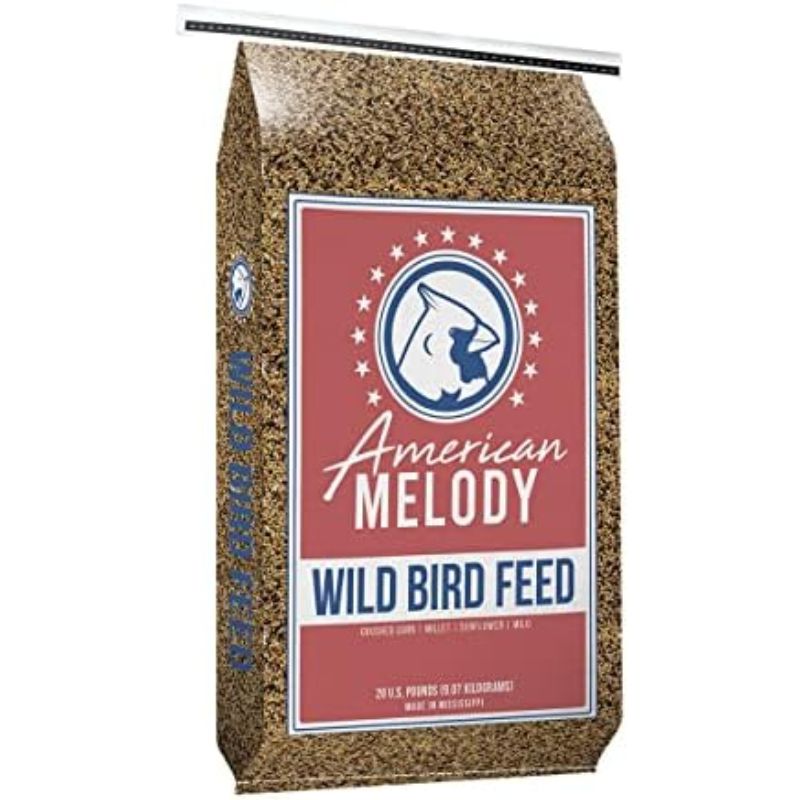
Game Quail Bird Feed
Some quail owners may opt for game bird feed, which is designed for various species of upland birds.
This feed typically has higher fat content and varying protein levels, often in the range of 22% to 24%. It’s ideal for mixed flocks or when raising quail for hunting purposes.
Game quail bird feed packs protein-rich seeds and grains that quail crave. It builds strong flocks fast, especially in winter chills. Scatter handfuls near cover; birds flock right in. This mix beats plain corn—quail peck it clean and grow tough.

Quail Specialty Diets Feed
Depending on specific needs, there are specialty diets available. These can include organic feeds, non-GMO options, or medicated feeds designed to prevent common health issues. Always read the labels carefully to ensure the feed aligns with your flock’s health requirements.
Boost your backyard birds with herb supplements. It’s natural treats in a poultry feed botanical mix. Plant-based coop snacks deliver daily wellness. Your birds gain better feather quality.
Egg production ramps up fast. Sprinkle it in their feed or scatter around the run. Hens love the taste and thrive on the herbs. Watch shiny feathers and steady eggs roll in.
What to Look for in Feed Bags
Choosing the right quail feed bag involves considering several factors beyond just protein content. Here are some tips to help you make an informed choice:
- Ingredients: Look for a feed that lists high-quality ingredients. Whole grains, seeds, and plant-based proteins are excellent choices. Avoid feeds that list by-products or fillers at the top of the ingredient list.
- Guaranteed Analysis: Always check the guaranteed analysis on the feed bag. This section provides key information about the minimum and maximum percentages of crude protein, fat, fiber, and moisture the feed contains.
- Freshness: Quail feed should be fresh to ensure maximum nutritional value. Check the manufacturing date and aim to purchase feeds that have a longer shelf life. Ideally, buy smaller quantities more frequently to ensure freshness.
- Brand Reputation: Do some research on the brands available in your area. Look for companies that specialize in poultry and avian products. Reading reviews and seeking recommendations from other quail enthusiasts can lead you to quality products.
Picking the right quail feed bag goes beyond protein levels. Match it to your birds’ age—chicks thrive on fine crumbles, layers need calcium-packed pellets. Scan ingredients for real grains and greens; dodge cheap fillers like corn gluten. Look for added probiotics to boost gut health. Choose bag sizes that fit your flock to cut waste. Check expiration dates and buy from trusted brands with solid reviews. Test a small sack first before stocking up.
Storing Your Feed Properly
Best way to store your feed Video.What’s the best way to store your feed? Once you’ve selected the appropriate feed for your quail, proper storage is essential to maintain its quality. Here are some tips for effective storage:
- Cool, Dry Place: Store feed bags in a cool, dry place away from direct sunlight. Extreme temperatures can degrade the quality of the feed.
- Airtight Containers: If possible, transfer the feed to airtight containers to keep it fresh and protect it from pests. Rodents and insects can quickly spoil your feed supply.
- Keep an Eye on Expiry Dates: Regularly check the expiry dates on feed bags, and use older bags first to prevent wastage.
Store your feed in airtight metal bins or heavy plastic barrels with tight lids. Keep them in a cool, dry shed away from direct sun and rain. Raise containers off the ground on pallets to stop rodents and bugs. Buy just a month’s supply at a time; it’ll stay fresh and packed with nutrients. Check weekly for moisture, mold, or pests—dump it if you spot trouble.
Finding The Perfect Quail Feed Bag for Your Needs
The variety of quail feed bags available today ensures that every quail owner can find an option that meets their flock’s unique needs. By understanding the nutritional requirements of quail and the different types of feeds available, you can make an informed choice that supports your birds’ health and productivity.
Remember to monitor their health and adjust the feeding quail diet as necessary, ensuring your quail thrive and flourish under your care. Other options to feed quail are feed blocks, mealworms and dried Fly Larvae.
With the right quail feed in hand, you’re well on your way to keeping a healthy and happy flock, whether they’re laying delicious eggs or growing strong for harvest. Happy quail-keeping! If you like our content, please follow us on Facebook.


